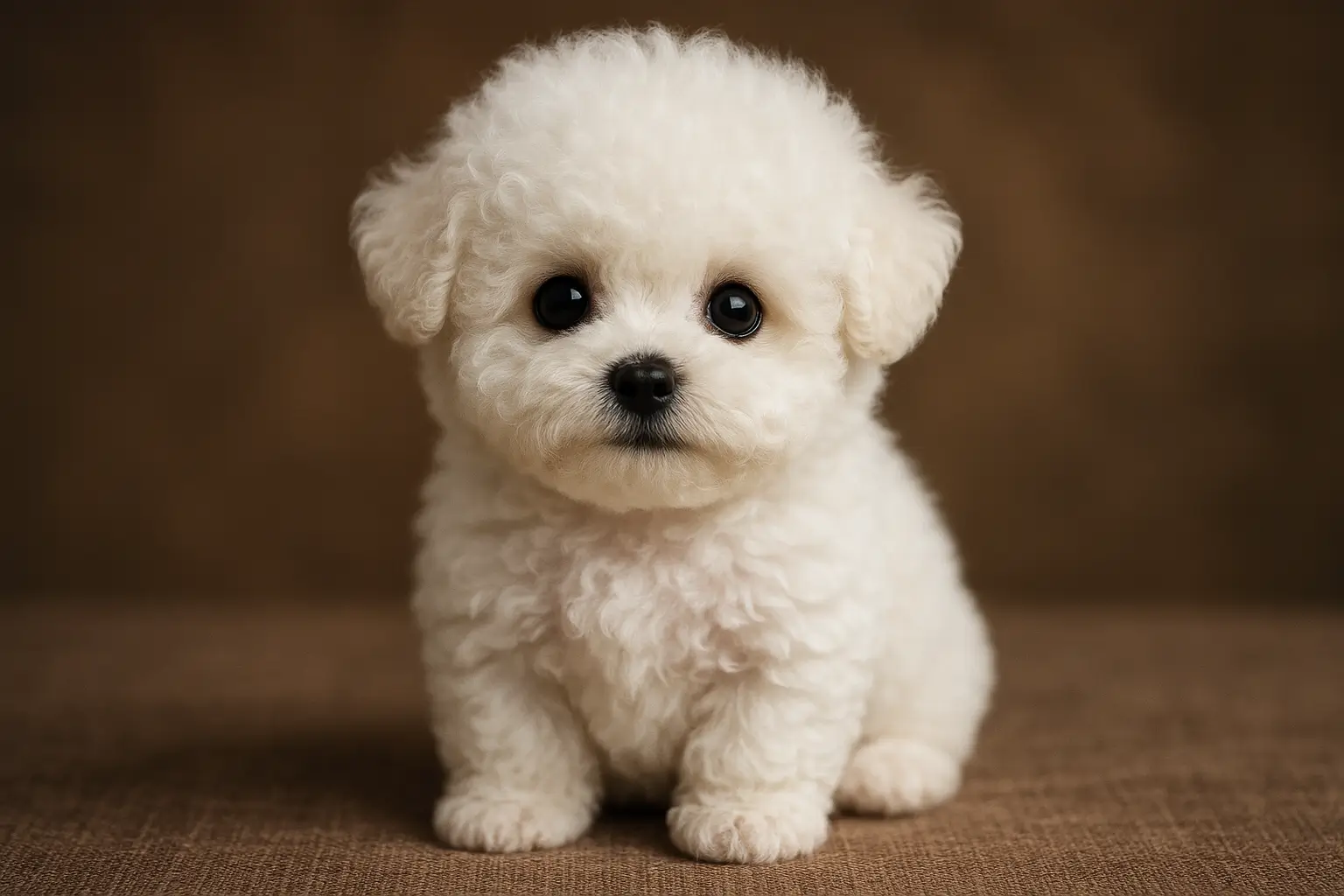
A Black Teacup Shih Tzu is not a separate breed. It is simply a color variation of the Shih Tzu, bred smaller under the teacup label. The black coat is the result of pigmentation genetics, not a different bloodline or a unique behavioral type.
Coat color does not influence temperament, adult size, or expected lifespan. A black-coated puppy develops just like any other Teacup Shih Tzu raised responsibly. The same principles apply across other Teacup Dog Breeds as well, including variations in Teacup Maltese, Teacup Poodles, or Teacup Bichon Frise. Color is cosmetic, while structure, health screening, and early socialization are what truly shape the dog you bring home.
For a full overview of breed characteristics, long-term care, and what to expect as they mature, you can refer to my complete Teacup Shih Tzu guide.
What Makes a Teacup Shih Tzu Black?

A Teacup Shih Tzu appears black because of the concentration and distribution of pigment in the coat. The darker the pigment, the more solid and deep the black coloring will look. In dogs, coat color is influenced by genetic instructions that control how much pigment is produced and how it is expressed across the body.
Melanin is the key pigment responsible for black coloring. When melanin production is strong and evenly distributed, the coat appears rich black rather than faded or diluted. Genetic traits passed down from the parents determine whether a puppy expresses a solid black coat, partial markings, or a lighter variation.
Some coat traits are dominant, meaning they are more likely to appear if inherited, while others are recessive and only show when both parents carry the gene. However, color genes do not affect temperament, structure, or health on their own. If you would like a full breakdown of breed characteristics beyond coat color, see our complete Teacup Shih Tzu guide for breed traits.
Black Coat Genetics in Shih Tzus

Black coat color in the Shih Tzu is controlled by genes that regulate pigment production and distribution. The primary pigment involved is eumelanin, which produces black coloration in the coat, nose, and eye rims. Whether a puppy appears solid black, slightly faded, or black and white depends on how these genes interact.
In practice, I remind owners that genetics can influence shade and pattern, but not personality or structural traits. Color alone does not indicate quality, health, or temperament.
Here is a simplified overview of how common gene types can affect coat appearance:
| Gene Type | Effect on Coat |
|---|---|
| Dominant black gene | Produces solid dark coat |
| Dilution gene | Can lighten black over time |
| White spotting gene | Creates black and white pattern |
Genetics can be complex, and reputable breeders who understand inheritance patterns are more likely to produce predictable coat outcomes. However, responsible breeding should always prioritize health and temperament over color preference.
Solid Black vs Black and White Variations
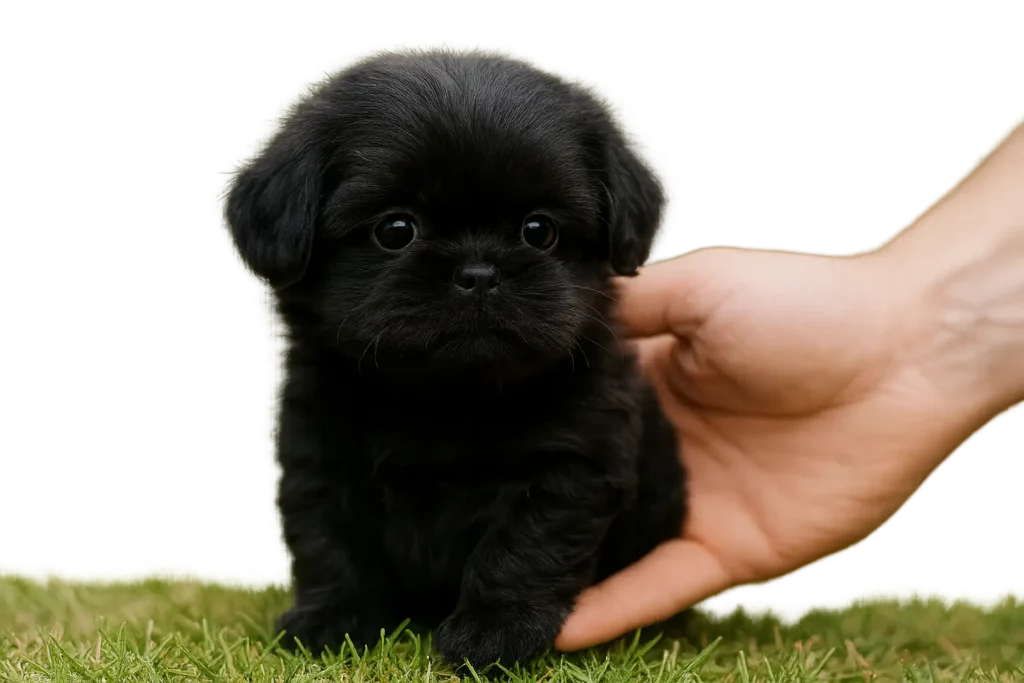
In Shih Tzus, black can appear either as a fully solid coat or combined with white markings. The difference comes down to how pigment genes are expressed across the body, not to structure or behavior.
Solid Black
• Fully pigmented coat from head to tail
• Nose, eye rims, and lips typically deep black
• Coat may appear glossy when healthy and well maintained
Black and White
• White markings commonly seen on the chest, chin, or paws
• Facial blaze or partial white mask may appear
• Pattern distribution varies from minimal accents to nearly half white
These variations are purely visual. They do not change how the dog grows, learns, or interacts with the family.
Do Black Shih Tzus Fade Over Time?
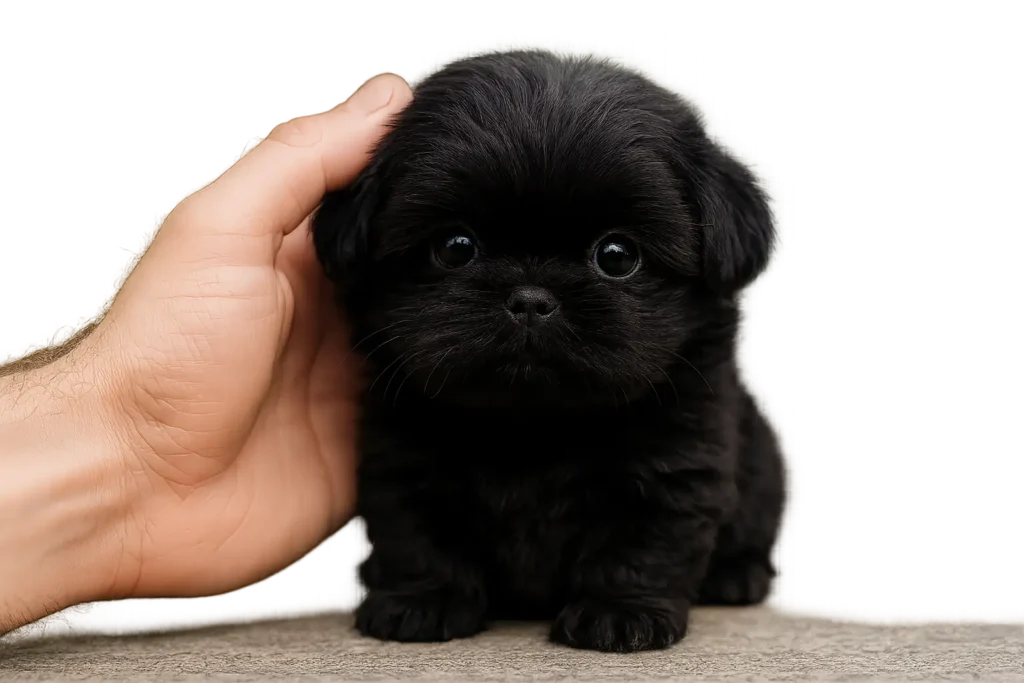
Yes, black coats can change over time, and I see this fairly often. Many puppies start with a deep, rich black coat that softens slightly as they mature. This shift is usually normal and related to coat development rather than a health issue.
Sun exposure plays a role. Just like in other breeds, prolonged sunlight can cause black hair to look brownish or slightly dull, especially if the coat is dry. Coat maturation is another factor. Puppies are born with a softer, finer coat that transitions into a denser adult coat, and the shade can look different once that change happens.
The difference between puppy coat and adult coat can surprise owners. A very dark puppy may develop subtle lighter tones as the adult coat grows in.
Factors that influence fading:
• Sunlight
• Grooming frequency
• Genetics
If fading appears sudden, patchy, or accompanied by hair loss, that is when I advise owners to consult their veterinarian to rule out skin or nutritional concerns.
Coat Care for Dark Shih Tzus
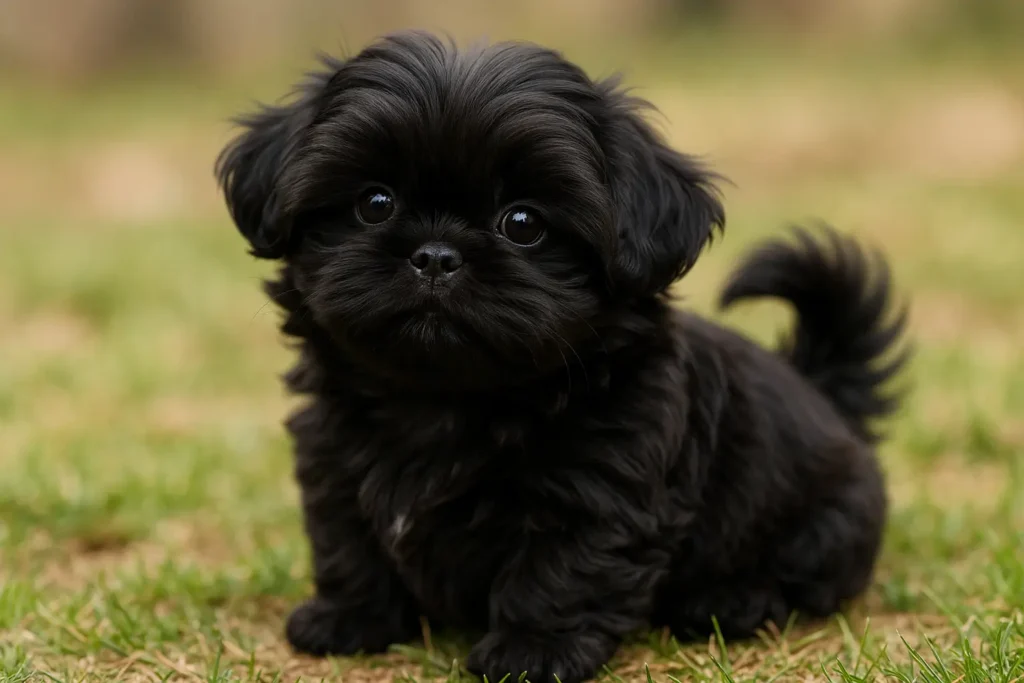
Dark coats can be beautiful, but they do show certain issues more clearly if not maintained properly. In my experience, owners of black Shih Tzus often notice dullness, debris, or tear staining more quickly than those with lighter coats. The care routine itself is not different, but attention to detail matters.
• Tear stain visibility differences, darker fur may make reddish staining under the eyes stand out more in contrast
• Brushing frequency, daily light brushing helps prevent matting and keeps natural oils distributed for shine
• Preventing dullness, regular grooming and proper nutrition support a healthy, glossy coat
• Avoiding harsh whitening shampoos, these products are designed for light coats and can dry or fade dark fur
For a complete routine, see my full grooming guide. If you are comparing products, I also review options in my Best Shampoo cluster so you can choose something appropriate for dark coats without compromising skin health.
Are Black Teacup Shih Tzus Rare?

Black Teacup Shih Tzus are not a separate breed. They are simply a color variation within the Shih Tzu breed, bred smaller under the teacup label. From a genetic standpoint, black is a recognized and naturally occurring coat color, not an unusual mutation or specialty line.
They are not necessarily rarer in terms of inheritance. What often creates the perception of rarity is breeder marketing and regional demand. In some areas, solid black puppies may be less commonly advertised, which can make them seem harder to find. In reality, availability depends more on breeding pairs and color pairings than on true genetic scarcity.
As I remind owners, rarity should never be the primary focus. Health, responsible breeding practices, and transparent parent history matter far more than coat color.
Price Differences for Black Coloring

Coat color alone should not dramatically change price, but in practice, I do see variations depending on how breeders position their puppies. A Black Teacup Shih Tzu may be marketed as rare or unique, which can influence buyer perception more than actual genetic scarcity.
Factors that may affect pricing:
• Breeder marketing influence
• Location and regional demand
• Pedigree and documented lineage
• Demand for solid black coats
Color should never justify cutting corners on health screening or ethical breeding. For a broader breakdown of what truly determines cost, see my Teacup Shih Tzu Price page. If you are evaluating sellers, I also outline what to look for in reputable Teacup Shih Tzu Breeders.
Common Myths About Black Shih Tzus

Over the years, I have heard many assumptions about black-coated dogs, and Shih Tzus are no exception. Most of these beliefs are based on perception, not genetics or behavior science. Coat color alone does not determine personality, health, or breed purity.
• Black Shih Tzus are more aggressive
Temperament is shaped by genetics, early socialization, and training, not coat color. A well-bred and properly socialized Shih Tzu will have the same affectionate and companion-oriented temperament regardless of whether the coat is black, gold, or mixed.
• Black coats mean mixed breed
Black is a recognized and naturally occurring color in the Shih Tzu. A solid black coat does not indicate crossbreeding. Breed authenticity is determined by lineage and responsible breeding, not shade.
• Black dogs are always rarer
Availability depends on breeding pairs and regional demand. Marketing can create the impression of rarity, but genetically, black is not an exotic anomaly within the breed.
• Coat color affects lifespan
Lifespan is influenced by overall health, genetics, and quality of care. There is no evidence that black-coated Shih Tzus live longer or shorter lives solely because of color.
Is a Black Teacup Shih Tzu Right for You?
A Black Teacup Shih Tzu has the same personality traits as any other Teacup Shih Tzu. Coat color does not change temperament, attachment style, or trainability. What truly matters is responsible breeding, early socialization, and consistent care.
Choosing black is simply an aesthetic preference. The grooming needs, health monitoring, and daily structure remain identical regardless of color. If you are still evaluating whether this breed fits your lifestyle, I recommend reviewing my complete Teacup Shih Tzu guide for a full breakdown of traits, care expectations, and long-term responsibilities.
Frequently Asked Questions:
Do Black Shih Tzus Change Color as They Age?
Yes, it is common for a Shih Tzu’s coat to lighten or shift slightly as the puppy grows into adulthood. This happens because puppy coats often carry more intense pigment at birth and can mellow over time, and sun exposure can also influence how dark the fur appears.
Are Black Teacup Shih Tzus Rare Compared to Other Colors?
A solid black coat can seem less common in some areas, but it is not inherently rare genetically. Perception of rarity often comes from regional demand or how breeders market certain colors.
Does Black Coat Color Affect Temperament or Health?
No, coat color does not influence a dog’s personality, health, or lifespan. Temperament and wellbeing are shaped by genetics, training, socialization, and care, not by the shade of fur.