
The Teacup Shih Tzu is often one of the first breeds people consider when exploring other popular teacup dog breeds. Their round eyes, compact size, and affectionate personality make them especially appealing to families who want a true lap companion. I frequently hear from readers comparing shih tzu teacup dogs with other tiny breeds, trying to understand what sets them apart beyond their adorable appearance.
If you are looking into teacup shih tzu puppies, this guide will walk you through every important detail. We will cover size and growth expectations, temperament, grooming needs, health considerations, cost, and what daily life realistically looks like with such a small dog. My goal is to give you clear, honest insight so you can decide whether this breed truly fits your home and lifestyle.
What Is a Teacup Shih Tzu?

A Teacup Shih Tzu is a smaller than standard version of the traditional Shih Tzu. The term “teacup” is not an official breed classification. It is a size description used to refer to dogs that are bred to be significantly smaller than the standard weight range of 9 to 16 pounds recognized by major kennel organizations. In most cases, these dogs weigh under 7 pounds as adults.
Because of their reduced size, they are often marketed as ultra compact companions. However, it is important to understand that their temperament, coat type, and general personality remain consistent with the standard Shih Tzu. The difference lies primarily in size and, in some cases, increased fragility.
Is Teacup Shih Tzu a Real Breed?
The Teacup Shih Tzu is not recognized as a separate breed by the American Kennel Club or other major canine registries. It is still genetically a Shih Tzu. The smaller size typically results from selective breeding of the smallest dogs within a litter over multiple generations.
This distinction matters because smaller size can come with additional health considerations. Responsible ownership requires understanding that “teacup” refers to scale, not a different genetic foundation.
Teacup Shih Tzu vs Standard Shih Tzu
The primary difference between a Teacup Shih Tzu and a standard Shih Tzu is body size. A standard Shih Tzu has a sturdier frame and greater bone density, while the teacup variation has a lighter structure and lower body weight.
Temperament traits such as affection, loyalty, and sociability are generally similar. However, due to their small size, teacup variations may require more careful handling, closer supervision around children, and more precise feeding management.
Teacup Shih Tzu Origin and History
The Shih Tzu breed originated in Tibet and was later refined in China, where it was treasured as a companion to royalty. The modern Teacup Shih Tzu emerged much later, driven by demand for increasingly smaller companion dogs.
While the historical roots of the breed are well established, the teacup variation is a modern development shaped by selective breeding preferences. Understanding that history helps separate long standing breed characteristics from recent size trends.
Teacup Shih Tzu Size and Weight

Size is one of the main reasons families are drawn to a Teacup Shih Tzu. However, expectations must be realistic. While breeders may use terms like “micro” or “imperial,” there is no official weight category for this size variation. In most cases, these dogs are simply smaller than the standard Shih Tzu.
Below is a general size overview:
| Stage | Average Weight | Average Height |
|---|---|---|
| 8 Weeks | 1.5 to 2.5 lbs | 3 to 5 inches |
| 3 Months | 2 to 3.5 lbs | 4 to 6 inches |
| 6 Months | 3 to 5 lbs | 5 to 7 inches |
| Adult | 4 to 7 lbs | 6 to 8 inches |
These numbers can vary depending on genetics and breeding practices.
How Small Is a Teacup Shih Tzu?
A Teacup Shih Tzu is typically under 7 pounds at maturity. Some may weigh closer to 4 or 5 pounds. While that size is appealing, it also increases fragility. I often remind owners that smaller dogs are more prone to accidental injuries from falls, rough handling, or jumping off furniture.
It is important not to focus only on how small the puppy looks at eight weeks. Early size does not always predict adult size accurately.
Full Grown Teacup Shih Tzu
A teacup shih tzu full grown usually reaches its adult weight between 4 and 7 pounds. Structurally, they have the same long coat and expressive face as the standard breed, but with lighter bone density and a narrower frame.
Some owners expect extremely tiny adult sizes based on marketing photos. In reality, a healthy adult should not appear fragile or underdeveloped. Proper nutrition and responsible breeding play a major role in healthy adult size.
Teacup Shih Tzu Growth Chart
Growth tends to be steady during the first six months, then slows gradually.
| Age | Expected Growth Pattern |
|---|---|
| 0 to 3 Months | Rapid growth phase |
| 3 to 6 Months | Continued steady weight gain |
| 6 to 9 Months | Slower growth, nearing adult size |
| 9 to 12 Months | Weight stabilizes |
Very small puppies may appear delicate during early development. Monitoring weight gain is important, especially in teacup sized dogs.
When Is a Teacup Shih Tzu Fully Grown?
Most Teacup Shih Tzu dogs reach their full height by around 8 to 10 months of age. Weight may continue to stabilize until 10 to 12 months.
Because they are small framed, overfeeding during growth can place unnecessary strain on developing joints. Balanced nutrition and regular veterinary checkups help ensure they reach adulthood at a healthy size rather than simply a small one.
Teacup Shih Tzu Coat and Colors
The coat is one of the most recognizable features of a Teacup Shih Tzu. Despite the smaller size, the coat type remains the same as the standard Shih Tzu. It is long, flowing, and requires consistent care. Many new owners underestimate the maintenance involved, especially when the puppy coat begins transitioning into the adult coat.
Understanding coat texture, color variations, and eye care early helps prevent common grooming mistakes.
Teacup Shih Tzu Colors
Teacup Shih Tzu dogs come in a wide range of coat colors and patterns. Color is purely cosmetic and does not influence temperament or overall personality, but it often plays a major role in buyer preference.
Common color variations include:
- Solid white
- Gold
- Liver
- Brindle
- White and gold
- Black and white
- Tri color combinations
One of the most searched variations is the teacup shih tzu black coat. A solid black teacup Shih Tzu has a deep, uniform color without white markings, although small chest patches may still appear. The term black teacup shih tzu is commonly used to describe this darker variation, but structurally and temperament wise, it remains the same breed.
It is important to understand that coat color does not change health status. However, lighter coats, especially white and cream, may show tear staining more visibly than darker coats.
Teacup Shih Tzu Coat Type
They have a double coat, consisting of a soft undercoat and a longer outer coat. When left long, the hair grows continuously rather than shedding in heavy seasonal cycles.
Because of their small frame, mats can form quickly in high friction areas such as:
- Behind the ears
- Under the legs
- Around the collar area
Daily brushing or professional grooming every four to six weeks is often necessary.
Do Teacup Shih Tzu Shed?
Teacup Shih Tzu dogs are considered low shedding compared to many other breeds. However, low shedding does not mean no shedding. Loose hairs often get trapped within the coat rather than falling to the floor.
If brushing is neglected, trapped hair contributes to matting. Regular grooming prevents discomfort and skin irritation.
Hypoallergenic Teacup Shih Tzu
They are often described as hypoallergenic because of their low shedding coat. While they may produce fewer airborne allergens than heavy shedding breeds, no dog is truly hypoallergenic.
People with allergies may tolerate them better, but sensitivity varies from person to person. Spending time around the breed before committing is always wise.
Teacup Shih Tzu Eyes and Tear Stains
Large, expressive eyes are a defining trait of the breed. However, shallow eye sockets and facial structure can contribute to tear staining.
Common contributing factors include:
- Hair irritating the eye
- Blocked tear ducts
- Diet sensitivities
- Environmental irritants
I advise owners to keep facial hair trimmed and gently clean the eye area regularly. Persistent discharge, redness, or squinting should always be evaluated by a veterinarian to rule out infection or injury.
Teacup Shih Tzu Temperament

The Teacup Shih Tzu temperament is typically affectionate, companion focused, and people oriented. Despite their small size, they carry themselves with quiet confidence. Most are not high drive working dogs. They were bred to be close human companions, and that instinct is still very strong.
That said, smaller size can sometimes make them more sensitive to rough handling or chaotic environments. Proper socialization makes a significant difference in how balanced and adaptable they become.
Teacup Shih Tzu Energy Level
Energy levels are generally moderate to low. They enjoy short walks and indoor play but do not require intense physical exercise. I often remind owners that mental stimulation matters as much as movement. Short training sessions can be just as effective as physical play.
Overexertion is a common mistake with very small dogs. Their stamina is limited compared to larger breeds.
Teacup Shih Tzu Affection Level
Affection levels are high. These dogs thrive on close contact and often prefer being near their owner at all times. Many will follow from room to room and seek lap time daily.
If ignored for long periods, they may become anxious or overly attached.
Teacup Shih Tzu Friendliness
Most are friendly with familiar people and warm up well to gentle strangers. Early socialization helps prevent timidity.
Because of their small size, they may feel vulnerable around larger dogs or loud environments.
Teacup Shih Tzu Sociability
They typically do well in social settings when introduced gradually. Structured introductions help them build confidence.
Puppies exposed to positive experiences early tend to adapt better as adults.
Teacup Shih Tzu Intelligence
They are intelligent but not necessarily driven by constant task work. They understand routines quickly and respond well to positive reinforcement.
They may lose interest if sessions are repetitive or overly long.
Teacup Shih Tzu Trainability
Trainability is moderate. Consistency is key. Harsh corrections are not effective and can reduce trust.
Common training challenges include housebreaking delays due to their small bladder capacity.
Teacup Shih Tzu Barking Behavior
Barking levels are usually moderate. They may alert bark when someone approaches the home, but they are not typically excessive barkers unless bored or anxious.
Inconsistent boundaries often increase nuisance barking.
Are Teacup Shih Tzu Aggressive?
True aggression is uncommon. However, poorly socialized dogs or those handled roughly may develop defensive behaviors.
Because they are small, some owners unintentionally tolerate behavior that would not be acceptable in larger breeds, such as snapping when picked up improperly. Clear boundaries and gentle handling prevent most issues.
Separation Anxiety in Teacup Shih Tzu
Their companion oriented nature means they do not enjoy long periods alone. I frequently see mild separation related behaviors if routines are inconsistent.
Signs may include vocalizing, pacing, or clinginess. Gradual independence training from puppyhood reduces this risk.
Recognizing Stress in Teacup Shih Tzu
Small dogs often show subtle stress signals that owners overlook. Early recognition prevents escalation.
Watch for:
- Lip licking when not eating
- Yawning repeatedly in tense situations
- Avoiding eye contact
- Trembling without temperature change
- Hiding or withdrawing
If stress signals persist, adjusting the environment and consulting a veterinarian or qualified trainer is appropriate.
Teacup Shih Tzu Sensitivity Level
They are emotionally sensitive and respond best to calm, predictable environments. Loud corrections or chaotic households can overwhelm them.
Consistency builds confidence.
Wanderlust Potential
Wanderlust potential is generally low. Most prefer staying close to their primary caregiver. However, unsecured yards still pose risk due to their small size and vulnerability.
Prey Drive
Prey drive is typically mild. Some may chase small moving objects, but strong hunting instincts are uncommon.
Supervision outdoors remains important due to their size rather than predatory tendencies.
Mouthiness
Mouthiness during puppyhood is normal. Gentle redirection and early bite inhibition training are important.
Because their jaws are small, serious damage is unlikely, but consistent training prevents unwanted habits from forming.
Are Teacup Shih Tzu Good Family Dogs?

A Teacup Shih Tzu can be an excellent family companion, but only in the right environment. Their affectionate, people focused nature makes them deeply loyal to their household. They thrive in homes where someone is present most of the day and where interactions are calm and predictable.
Because of their very small size, supervision and gentle handling are essential. Families who understand that this is a delicate companion, not a rugged playmate, tend to have the best outcomes.
Teacup Shih Tzu With Kids
They can do well with children who are old enough to handle a small dog carefully. I generally recommend them for homes with older, gentle children rather than toddlers.
Common mistakes I see include:
- Allowing children to carry the dog unsupervised
- Rough play on furniture or beds
- Letting the dog jump from heights
Even short falls can result in injury due to their light bone structure.
Teacup Shih Tzu With Other Pets
They are usually sociable with other dogs, especially if introduced early. Calm, well mannered pets are ideal companions.
Larger, highly energetic dogs can unintentionally injure a very small dog during play. Supervision is always important during early introductions.
Is Teacup Shih Tzu Good for Apartments?
Yes, they adapt very well to apartment living. Their moderate energy level and compact size make them well suited for smaller spaces.
However, apartment life does not replace daily engagement. Short walks and mental stimulation are still necessary.
Can Teacup Shih Tzu Be Left Alone?
They do not tolerate long periods of isolation well. Their strong attachment to their owner can lead to anxiety if left alone consistently for extended hours.
Gradual independence training from puppyhood helps. Sudden long absences often lead to clinginess or vocalization.
Teacup Shih Tzu in Cold Weather
Due to their small body mass, they are sensitive to cold temperatures. Prolonged exposure to low temperatures can lead to discomfort quickly.
In colder climates, short outdoor trips and protective clothing may be helpful. Monitoring for shivering or reluctance to move is important.
Teacup Shih Tzu in Hot Weather
Heat sensitivity is also a concern. Their facial structure can reduce heat tolerance, and their small size means they can overheat faster than many larger breeds.
Warning signs include:
- Excessive panting
- Lethargy
- Drooling
- Disorientation
Immediate cooling and veterinary evaluation are warranted if symptoms appear.
Traveling With a Teacup Shih Tzu
They generally travel well when properly secured. A stable carrier is safer than allowing them to sit freely in a vehicle.
Because of their fragility, even minor car accidents can be dangerous if they are not properly restrained.
Is Teacup Shih Tzu Good for First-Time Owners?
For a first time owner who is patient and attentive, they can be a good fit. Their manageable energy level and affectionate personality are appealing.
However, first time owners must be prepared for:
- Regular grooming
- Structured feeding schedules
- Careful supervision
When expectations are realistic and the household is calm, they can be a loving and adaptable companion.
Teacup Shih Tzu Health and Lifespan

Health should always be the deciding factor when considering a Teacup Shih Tzu. While many live happy lives, their reduced size can increase vulnerability to certain medical concerns. Smaller frame size does not automatically mean unhealthy, but it does require careful monitoring and responsible breeding practices.
Below is a general health overview:
| Category | Overview |
|---|---|
| Average Lifespan | 12 to 15 years |
| Common Risks | Dental disease, hypoglycemia, respiratory sensitivity |
| Fragility Level | Higher than standard size Shih Tzu |
| Preventive Priority | Dental care, weight control, regular vet exams |
| Senior Transition | Around 8 to 10 years |
Teacup Shih Tzu Lifespan
Most Teacup Shih Tzu dogs live between 12 and 15 years when properly cared for. Lifespan depends heavily on genetics, diet, dental hygiene, and preventive veterinary care.
Smaller dogs often live longer than large breeds, but extreme miniaturization can introduce additional risks that affect quality of life if not managed properly.
Is Teacup Shih Tzu Healthy?
They can be healthy when bred responsibly and monitored closely. However, I always advise owners to understand that selective breeding for smaller size may increase the likelihood of certain health vulnerabilities.
Choosing a breeder who prioritizes structure and health over extreme size makes a significant difference.
Teacup Shih Tzu Health Problems
Some health concerns are shared with the standard Shih Tzu, while others are more pronounced in very small dogs.
Common areas of concern include:
- Dental overcrowding
- Low blood sugar in puppies
- Respiratory sensitivity
- Luxating patella
- Eye irritation or injury
Early recognition and preventive care reduce long term complications.
Common Genetic Issues
Genetic predispositions in this breed may include:
- Brachycephalic airway sensitivity
- Patellar luxation
- Progressive retinal issues
- Liver shunt in rare cases
Screening breeding dogs for hereditary conditions is critical for responsible breeding programs.
Teacup Shih Tzu Dental Problems
Dental disease is one of the most frequent issues I see in small breeds. Their small jaws often lead to crowded teeth, which increases plaque buildup.
Without consistent dental care, periodontal disease can develop early. Daily brushing and professional cleanings under veterinary guidance are essential preventive measures.
The American Veterinary Medical Association highlights dental disease as one of the most common clinical conditions in dogs
Teacup Shih Tzu Hypoglycemia
Very small puppies are particularly vulnerable to hypoglycemia, or low blood sugar. Because they have limited energy reserves, missing meals can lead to weakness.
Early signs may include:
- Trembling
- Lethargy
- Disorientation
- Unsteadiness
Immediate veterinary attention is necessary if symptoms appear.
Signs Your Teacup Shih Tzu Is Sick
Small dogs often show subtle changes before serious illness develops. Watch for:
- Reduced appetite
- Decreased activity
- Labored breathing
- Persistent vomiting or diarrhea
- Eye redness or discharge
Prompt evaluation improves outcomes.
Vet Care for Teacup Shih Tzu
Regular veterinary visits are essential. I recommend:
- Annual wellness exams
- Biannual dental assessments
- Weight monitoring
- Early diagnostic screening as they age
Preventive care is more effective and less stressful than reactive treatment.
Vaccination Schedule
Vaccinations generally follow standard small breed protocols. Puppies begin their core series around 6 to 8 weeks of age, with boosters administered every 3 to 4 weeks until approximately 16 weeks. Rabies vaccination is given according to local law.
The American Animal Hospital Association provides vaccination guidelines followed by many clinics
Schedules should always be tailored to individual lifestyle and exposure risk.
Senior Teacup Shih Tzu Care
Around 8 to 10 years of age, subtle aging changes may appear. Dental health, joint comfort, and vision should be monitored more closely.
Adjustments in diet and exercise intensity may be necessary under veterinary guidance.
Energy Changes in Senior Dogs
Senior dogs often show:
- Slightly reduced stamina
- Longer recovery time after activity
- Increased sleep
Gradual changes are normal. Sudden behavioral or energy shifts warrant veterinary evaluation.
Teacup Shih Tzu Diet and Feeding

Feeding a Teacup Shih Tzu requires precision. Because of their small body mass and fast metabolism, even minor overfeeding or missed meals can affect energy levels and weight. I often see owners underestimate portion control, especially when offering frequent treats.
Below is a general feeding guide based on adult weight:
| Adult Weight | Daily Calories | Approximate Dry Food Per Day |
|---|---|---|
| 4 lbs | 180 to 220 kcal | 1/4 to 1/3 cup |
| 5 lbs | 200 to 250 kcal | 1/3 cup |
| 6 to 7 lbs | 220 to 300 kcal | 1/3 to 1/2 cup |
Individual needs vary based on age, activity level, and metabolism. Your veterinarian can provide more precise guidance.
Best Food for Teacup Shih Tzu
I recommend a high quality small breed formula with very small kibble size. Look for:
- Clearly identified animal protein as the first ingredient
- Moderate fat for energy support
- Controlled calcium levels for bone health
- No excessive fillers
Because their jaws are small, oversized kibble can discourage proper chewing.
How Much Does a Teacup Shih Tzu Eat
Most adults eat between 1/4 and 1/2 cup of dry food per day, divided into multiple meals. Overfeeding is a common mistake I see, often leading to rapid weight gain that stresses joints and breathing.
Consistent portion measurement is important. Guessing portions can easily result in excess calorie intake.
Feeding Schedule
Adult dogs typically do best with two to three small meals daily. Very small or highly active individuals may benefit from three evenly spaced meals.
Puppies require more frequent feeding to prevent drops in blood sugar.
Teacup Shih Tzu Puppy Diet
Puppies should be fed a small breed growth formula specifically designed for developing bones and energy needs. Meals are usually divided into three to four small feedings per day.
Missing meals during puppyhood increases risk of low blood sugar. I always advise close monitoring during the first few months.
Foods to Avoid
Certain foods pose higher risk in very small dogs:
- Chocolate
- Grapes and raisins
- Onions and garlic
- Xylitol containing products
- Cooked bones
- Fatty table scraps
Because of their size, even small amounts of toxic foods can have a stronger effect.
Treats
Treats should make up no more than 10 percent of daily calories. Choose small, soft treats that are easy to chew.
Owners often unintentionally overfeed through treats. I recommend deducting treat calories from total daily food intake.
Supplements
Supplements are not automatically necessary. In some cases, veterinarians may recommend:
Supplements should only be added under professional guidance. Over supplementing small dogs can cause digestive upset or nutrient imbalance.
Teacup Shih Tzu Grooming Guide
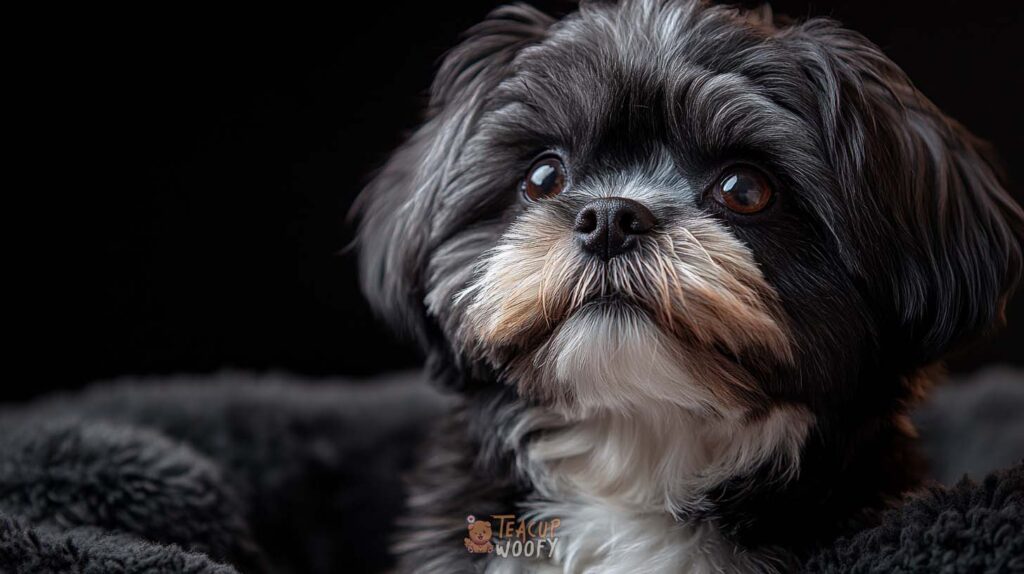
Grooming a Teacup Shih Tzu is not optional. Their long, continuously growing coat requires consistent maintenance to prevent matting and skin irritation. Because of their small frame, even minor tangles can pull on the skin and cause discomfort quickly. I often see new owners underestimate how much upkeep this coat truly needs.
Here is a general grooming frequency guide:
| Grooming Task | Recommended Frequency |
|---|---|
| Brushing | Daily or at least 4 to 5 times per week |
| Bathing | Every 3 to 4 weeks |
| Professional Trim | Every 4 to 6 weeks |
| Nail Trimming | Every 3 to 4 weeks |
| Ear Cleaning | Weekly check, clean as needed |
| Eye Area Cleaning | Daily wipe if needed |
How Often to Groom
Daily brushing is ideal, especially if the coat is kept long. Skipping even a few days can lead to tight mats behind the ears and under the legs. Shorter trims reduce maintenance but do not eliminate it.
Haircuts
Many owners choose a “puppy cut” for easier care. This shorter style keeps the coat manageable while preserving the breed’s soft look.
Allowing the coat to grow long requires commitment. Mats close to the skin can develop quickly if brushing is inconsistent.
Bathing
Bathing every three to four weeks is usually appropriate. Over bathing can dry the skin, while under bathing can allow buildup of oils and debris.
Always dry thoroughly after bathing. Damp undercoats increase the risk of skin irritation.
Brushing
Use a soft slicker brush followed by a fine comb to check for hidden tangles. Gentle technique matters. Pulling harshly on mats can cause pain and create negative associations with grooming.
High friction areas include:
- Behind the ears
- Under the collar
- Armpits
- Around the tail
Tear Stain Removal
Because of their facial structure, tear staining is common. I advise daily gentle wiping of the eye area using a soft, damp cloth.
Persistent discharge, redness, or squinting should be evaluated by a veterinarian to rule out infection or blocked tear ducts.
Shedding Level
Shedding is generally low. Hair that falls out tends to remain trapped within the coat rather than on furniture.
Low shedding does not mean low maintenance. Regular brushing prevents trapped hair from forming mats.
Nail Care
Small dogs often resist nail trimming, but overgrown nails alter posture and can contribute to joint strain. Trimming every three to four weeks is typical.
Clicking sounds on hard floors usually indicate nails are too long.
Ear Care
Their ear canals should be checked weekly. Moisture buildup after baths can increase the risk of ear irritation.
Look for:
- Redness
- Odor
- Excess debris
If these signs appear, veterinary evaluation is recommended.
Eye Care
Large, prominent eyes are sensitive. Keep facial hair trimmed away from the eyes and monitor for signs of irritation.
Avoid using harsh products near the eye area. Gentle cleaning and routine observation prevent most minor issues from escalating.
Teacup Shih Tzu Training

Training a Teacup Shih Tzu requires patience, consistency, and realistic expectations. They are intelligent and responsive, but they are also companion oriented and sometimes a bit independent. Harsh corrections are not effective with this breed. Calm, reward based training builds trust and better long term behavior.
Because of their small size, many owners unintentionally allow behaviors they would correct in a larger dog. Consistency matters from the beginning.
Is Teacup Shih Tzu Easy to Train?
They are moderately easy to train when sessions are short and positive. I find they respond best to gentle praise, small treats, and repetition.
Training becomes difficult when:
- Sessions are too long
- Expectations change daily
- Rules are inconsistent between family members
Structure creates confidence.
Potty Training
Housebreaking can take longer than some owners expect. Small bladder size means they need more frequent bathroom breaks, especially as puppies.
Common mistakes include:
- Waiting too long between outings
- Allowing too much unsupervised freedom
- Inconsistent routines
Scheduled bathroom breaks and immediate praise after success improve progress significantly.
Crate Training
Crate training can provide structure and security when introduced properly. The crate should feel like a safe resting space, not a punishment.
Keep sessions short at first and avoid forcing the dog inside. Gradual introduction builds positive association.
Obedience Training
Basic commands such as sit, stay, and come are achievable with steady practice. Because they are companion driven, many learn quickly when training feels interactive and engaging.
Short sessions of five to ten minutes are ideal. Longer sessions often lead to distraction.
Socializing a Puppy
Early socialization shapes adult behavior. Positive exposure to different people, sounds, and environments reduces fear later in life.
I encourage controlled, calm experiences rather than overwhelming situations. Carrying a very small puppy in unfamiliar environments can prevent accidental injury during early exposure.
Common Behavior Problems
When training is inconsistent, certain issues may develop, including:
- Excessive barking
- Clinginess
- Housebreaking delays
- Resource guarding in rare cases
Most behavior problems in small dogs stem from lack of structure rather than stubbornness. Clear boundaries and calm leadership create a stable, confident companion.
Exercise Needs

A Teacup Shih Tzu does not require intense physical activity, but regular movement is still essential for physical and mental health. Because of their small size and shorter legs, exercise should be moderate and controlled rather than strenuous.
Overexertion is a common mistake I see. Very small dogs tire more quickly, and pushing them beyond their limits can increase stress on joints and breathing.
How Much Exercise Does a Teacup Shih Tzu Need
Most adults do well with 20 to 30 minutes of light activity per day. This can include short walks and indoor play sessions.
Puppies may have bursts of energy followed by long rest periods. Exercise should match their stamina, not the owner’s expectations.
Watch for signs of fatigue such as slowing down, heavy panting, or reluctance to continue.
Indoor Exercise
Indoor play is often sufficient, especially in apartments. Short games of gentle fetch, light tug, or supervised exploration help burn energy safely.
Because of their fragility, avoid high jumps from furniture or repetitive stair climbing. Soft surfaces are safer for play sessions.
Safe Toys
Toy size matters. Choose lightweight toys designed for toy breeds.
Safer options include:
Avoid oversized or very hard toys that could damage teeth.
Daily Routine
A consistent daily routine helps regulate both energy and behavior. I recommend:
- Short morning walk or play session
- Midday interaction or enrichment
- Light evening walk
- Quiet wind down period before bedtime
Predictable structure reduces anxiety and supports healthy sleep patterns.
Teacup Shih Tzu Puppies Guide

Raising a Teacup Shih Tzu puppy requires close supervision and realistic expectations. Their small size makes them especially vulnerable during the first year. Gentle handling, structured feeding, and consistent routines make a significant difference in long term health and behavior.
I always remind new owners that the goal is steady development, not extreme smallness. A healthy puppy should gain weight consistently and show normal curiosity and energy.
Caring for a Teacup Shih Tzu Puppy
Early care focuses on safety and stability. Because of their light bone structure, falls from furniture or rough play can cause injury.
Priorities during the first months include:
- Scheduled meals to maintain blood sugar
- Supervised play only
- Gradual social exposure
- Weight monitoring
Allowing too much unsupervised freedom too early often leads to accidents or housebreaking setbacks.
Growth Timeline
Growth is fastest during the first six months. Most puppies show steady increases in height and weight before leveling off.
| Age | Development Stage |
|---|---|
| 8 Weeks | Rapid growth, high energy |
| 3 to 4 Months | Increasing coordination |
| 6 Months | Near adult height |
| 9 to 12 Months | Weight stabilizes |
Small variations are normal, but extreme underdevelopment warrants veterinary evaluation.
Vaccination Schedule
Vaccination schedules follow standard small breed guidelines. Puppies typically begin their core vaccine series around 6 to 8 weeks of age, with boosters every 3 to 4 weeks until approximately 16 weeks.
Rabies vaccination is administered according to local law. Your veterinarian may adjust timing based on lifestyle risk and regional exposure factors.
Hypoglycemia Warning
Very small puppies are at higher risk for hypoglycemia, or low blood sugar. Because their energy reserves are limited, missing meals can lead to weakness.
Early warning signs include:
- Trembling
- Lethargy
- Unsteady movement
- Disorientation
Immediate veterinary care is necessary if symptoms appear. Preventive feeding schedules greatly reduce risk.
When Fully Grown
A teacup shih tzu full grown typically reaches adult height by around 8 to 10 months. Weight may continue stabilizing until about 12 months.
Being fully grown does not mean emotionally mature. Training consistency and structured routines remain important throughout the first year to support long term stability.
Teacup Shih Tzu Price

The teacup shih tzu price varies widely depending on breeder reputation, location, bloodline, and size claims. Smaller size marketing often increases demand, which directly affects cost. It is important to understand what you are paying for, especially when evaluating health testing and breeding practices.
Here is a general cost overview:
| Expense Category | Estimated Range |
|---|---|
| Initial Purchase | $1,500 to $4,000+ |
| Vaccines & First Vet Visits | $200 to $400 |
| Spay or Neuter | $200 to $600 |
| Supplies | $300 to $600 |
| Monthly Food | $25 to $50 |
| Grooming | $40 to $80 per visit |
| Pet Insurance | $25 to $60 per month |
Prices significantly below market average often warrant caution.
Why Are Teacup Shih Tzu So Expensive?
The teacup shih tzu cost is influenced by selective breeding, high demand, and marketing. Smaller puppies are often presented as rare, which increases pricing.
However, ethical breeding practices, health screenings, and proper early care are what truly justify cost. Extremely low pricing may reflect skipped health testing or poor breeding standards.
Average Monthly Cost of Owning
Beyond the purchase price, owners should plan for ongoing expenses such as:
- High quality food
- Routine grooming
- Preventive veterinary care
- Dental maintenance
Even though they are small, overall maintenance can be comparable to larger breeds due to grooming needs.
Teacup Shih Tzu Breeders
When researching teacup shih tzu for sale listings, focus on breeder transparency rather than price alone. Many people search for teacup shih tzu puppies for sale near me without verifying health practices.
Responsible breeders should provide:
- Health testing documentation
- Clear vaccination records
- Clean living conditions
- Willingness to answer detailed questions
If you plan to buy teacup shih tzu puppies, always prioritize health over size claims.
How to Spot a Reputable Breeder
A reputable breeder will:
- Allow you to see where the puppies are raised
- Provide veterinary documentation
- Explain the potential risks associated with very small size
- Avoid guaranteeing unrealistic adult weights
Breeders who focus heavily on marketing phrases such as teacup shih tzus for sale without discussing health should be approached carefully.
Red Flags When Buying
Be cautious if you see:
- Prices far below typical teacup shih tzu price ranges
- Pressure to send deposits quickly
- No health records available
- Claims of “guaranteed” extreme small size
- No opportunity to meet the puppy or parents
Ethical breeding takes time and transparency.
Teacup Shih Tzu Adoption
Adoption is sometimes overlooked. While rarer, small Shih Tzu variations occasionally appear through rescue organizations.
If you are searching for teacup shih tzu puppies for sale, consider also checking breed specific rescues. Adoption may reduce initial cost while giving a dog a second chance.
Responsible purchasing decisions protect both your investment and the welfare of the breed.
Teacup Shih Tzu vs Other Small Breeds

When families compare small companion dogs, size is only one factor. Temperament stability, grooming commitment, health sensitivity, and activity level often matter more in daily life. I encourage owners to evaluate lifestyle fit rather than focusing only on appearance.
Below is a practical comparison overview to help you see how the Teacup Shih Tzu differs from other popular small breeds.
| Breed | Energy Level | Grooming Needs | Fragility | Barking Tendency | Health Sensitivity | Best For |
|---|---|---|---|---|---|---|
| Teacup Shih Tzu | Low to Moderate | High | High | Moderate | Moderate to High | Calm, affectionate homes |
| Teacup Pomeranian | High | High | Moderate | High | Moderate | Active, alert households |
| Teacup Chihuahua | Moderate | Low | Moderate | Moderate to High | Moderate | Single person households |
| Teacup Yorkie | High | High | Moderate | Moderate | Moderate | Energetic small homes |
| Teacup Maltese | Moderate | High | High | Moderate | Moderate | Lap dog focused families |
| Teacup Poodle | Moderate | High | Moderate | Moderate | Moderate | Owners wanting strong trainability |
| Teacup French Bulldog | Low | Low | Moderate | Low | High, breathing sensitive | Low activity homes |
| Teacup Pug | Low | Low | Moderate | Low | High, breathing sensitive | Relaxed households |
| Teacup Mini Dachshund | Moderate | Low | Moderate | Moderate | Back sensitivity | Structured homes |
| Teacup Schnauzer | Moderate | Moderate | Moderate | Moderate | Moderate | Alert but balanced homes |
| Teacup Pomsky | High | Moderate | Moderate | Moderate | Variable | Experienced owners |
| Teacup Cavapoo | Moderate | Moderate | Moderate | Low to Moderate | Moderate | Family oriented homes |
| Teacup Morkie | Moderate | Moderate | High | Moderate | Moderate | Close companion households |
| Teacup Yorkipoo | Moderate | Moderate | High | Moderate | Moderate | First time owners with structure |
| Teacup Zuchon | Moderate | Moderate | High | Low to Moderate | Moderate | Affection focused families |
| Teacup Bichon Frise | Moderate | High | High | Moderate | Moderate | Owners prepared for grooming commitment |
The Teacup Shih Tzu stands out for its affectionate temperament and lower exercise demands compared to higher energy breeds like Pomeranians or Yorkies. However, grooming requirements are significant, and their small size increases fragility.
Designer mixes such as Cavapoo, Morkie, Yorkipoo, Pomsky, and Zuchon can vary more widely in temperament and coat type. Predictability may be lower compared to established pure breeds.
Ultimately, the best breed depends on your daily routine, tolerance for grooming, and comfort managing the health sensitivities associated with very small dogs.
Best Products for Teacup Shih Tzu

Choosing products for a Teacup Shih Tzu requires more attention to size and weight than many owners expect. Items labeled “small dog” are often still too large or too heavy for a dog under seven pounds. I focus on lightweight materials, proper fit, and safety first. This section highlights essentials, not an overwhelming product list. Detailed reviews can be explored separately.
Food
Select a high quality small breed formula with very small kibble size. The pieces should be easy to chew and digest. Portion measurement tools are also helpful, since overfeeding is common in tiny breeds.
Grooming
Because coat maintenance is significant, grooming tools matter. I recommend:
- A soft slicker brush designed for toy breeds
- A fine metal comb for checking hidden mats
- Gentle tear stain wipes
- Mild dog specific shampoo
Heavy grooming tools can irritate delicate skin.
Beds
Low profile, supportive beds are safest. Avoid tall or elevated beds that increase fall risk. Orthopedic foam can help as they age.
Crates
Crates should be properly sized and stable. The dog should stand and turn comfortably without excess space. For very small puppies, secure flooring prevents slipping.
Harnesses
Lightweight, adjustable harnesses are safer than collars for leash walking. Narrow straps and minimal hardware reduce strain on the neck and shoulders.
Toys
Choose toys scaled to their jaw size. Safer options include:
- Small plush toys
- Soft rubber chew toys
- Lightweight enrichment puzzles
Oversized or hard toys may increase dental risk.
Insurance
Because veterinary costs can increase with dental care, fractures, or metabolic issues, pet insurance is worth considering early. Policies are often more affordable when started during puppyhood.
Travel
For travel, a structured soft carrier with a firm base provides better stability. In vehicles, secure carriers are safer than allowing the dog to sit freely. Due to their fragility, proper restraint significantly reduces injury risk.
Careful product selection improves comfort and safety. With very small dogs, appropriate sizing and gentle materials make a meaningful difference in daily life.
Is a Teacup Shih Tzu Right for You?

A Teacup Shih Tzu can be a wonderful companion if your lifestyle matches their needs. They are affectionate, adaptable to apartments, and thrive on close human interaction. However, their small size requires careful handling, consistent grooming, structured routines, and proactive health monitoring.
This breed is a good fit if you:
- Spend a significant amount of time at home
- Can commit to regular grooming and dental care
- Provide gentle supervision around children or other pets
- Appreciate a moderate energy companion rather than a high drive dog
They may be less suitable if you want a rugged, outdoor oriented dog or expect minimal grooming commitment. Their fragility and sensitivity to abrupt changes also mean they thrive best in calm, predictable environments.
Male vs Female Teacup Shih Tzu

In my experience, differences between male and female Teacup Shih Tzu dogs are usually subtle. Individual temperament and early socialization matter more than gender alone.
| Trait | Male | Female |
|---|---|---|
| Size | Often slightly larger | Often slightly smaller |
| Affection Style | Often very people focused | Affectionate, sometimes slightly more independent |
| Maturity Rate | May stay puppy like longer | Often emotionally mature a bit sooner |
| Training Response | Responsive, eager to please | Focused, sometimes more attentive |
| Marking Behavior | May mark if not neutered | Rarely marks indoors |
From a physical standpoint, coat, grooming requirements, and overall appearance are essentially the same. The minor size differences rarely affect daily life.
Pros and Cons of a Teacup Shih Tzu
A Teacup Shih Tzu can be a loving and devoted companion, but only when expectations are realistic. Their small size and affectionate personality make them appealing, especially for apartment living. At the same time, their grooming needs and physical fragility require consistent care and supervision. I always encourage families to weigh both advantages and responsibilities before making a decision.
| Pros | Cons |
|---|---|
| Highly affectionate and people oriented | Fragile frame, higher injury risk |
| Adaptable to apartments | High grooming maintenance |
| Moderate exercise needs | Prone to dental issues |
| Generally friendly temperament | Sensitive to extreme temperatures |
| Strong bonding companion | May develop separation anxiety |
| Low shedding coat | Can be costly due to grooming and vet care |
When lifestyle, patience, and structure align with their needs, they can be deeply rewarding companions. Choosing based on informed preparation rather than appearance leads to the best long term outcome.
Final Thoughts on the Teacup Shih Tzu
The Teacup Shih Tzu is a deeply affectionate companion whose small size brings both charm and responsibility. While they adapt well to apartment living and thrive on close human connection, their grooming needs, dental care, and physical fragility require steady attention. Choosing this breed should always involve realistic expectations and a commitment to consistent care.
When properly bred, carefully handled, and thoughtfully trained, a Teacup Shih Tzu can be a loyal, gentle addition to the right home. Understanding the balance between their appealing size and their specific needs is what leads to a healthy, stable, and rewarding relationship for years to come.
Frequently Asked Questions:
How big does a teacup Shih Tzu get?
A full-grown teacup Shih Tzu usually stands about 5-7 inches tall and weighs 6-8 pounds, which is smaller than the standard Shih Tzu.
What is the average lifespan of a teacup Shih Tzu?
With proper care, a teacup Shih Tzu often lives 10-15 years.
What is the teacup Shih Tzu price or cost?
The cost to buy a teacup Shih Tzu from a reputable breeder tends to range from $1,500-$2,500, although rare colors or very small “imperial” pups can cost more. (Exact price depends a lot on breeder, location, health guarantees etc.)